Leading Stainless Steel Suppliers – Premium Materials for Industry Requirements

Stainless steel has become a key material across a wide range of industries because of its durability, resistance to corrosion, and clean appearance. These properties not only extend the service life of products and equipment but also help maintain consistent performance under demanding conditions. Industries such as construction, automotive manufacturing, and food processing rely heavily on stainless steel to meet operational standards, reduce maintenance requirements, and improve overall efficiency.

Stainless Steel Applications Across Industries

The characteristics of stainless steel make it a reliable choice for many applications. Its strength and corrosion resistance allow structures and machinery to withstand challenging environments. In addition, its polished appearance and ease of maintenance make it a practical option for projects where aesthetics are also a priority. This combination of functional and visual benefits contributes to stainless steel’s widespread adoption in manufacturing, building design, and food production facilities.

Different grades of stainless steel are better suited to specific tasks. Austenitic steel, for instance, is commonly used in chemical processing and food manufacturing because it resists corrosion even when exposed to moisture, acids, or other harsh substances. Ferritic stainless steel is often chosen for automotive components, including exhaust systems and trim, due to its stability at high temperatures. Martensitic stainless steel is strong and hard, making it suitable for cutlery, surgical instruments, and precision tools. Understanding these variations helps companies select materials that align with both performance requirements and application environments.

Using high-grade stainless steel has clear operational advantages. Its resistance to wear and environmental factors reduces the need for frequent repairs and replacements. As a result, businesses experience fewer interruptions, lower maintenance costs, and smoother operations. Over time, this contributes to higher productivity and more predictable results in a variety of industrial settings.

Choosing the Right Stainless Steel Supplier

Supplier Reliability

Reliable stainless steel suppliers play a major role in keeping industrial processes consistent and efficient. Companies that work with dependable partners are less likely to face delays or quality issues, which helps maintain smooth production schedules and strong relationships with clients. Suppliers who can consistently deliver on time and meet agreed specifications are an asset in managing supply chains effectively.

Product Quality

Material quality directly influences the performance and reputation of finished products. Stainless steel that meets rigorous standards ensures durability, functionality, and visual appeal. High-quality materials support longer-lasting products, reducing the risk of failure in demanding applications. For manufacturers, this translates into stronger trust from customers and a positive impression in competitive markets.

Delivery and Logistics

The ability to handle deliveries efficiently is a critical factor when selecting a supplier. Businesses benefit from suppliers who manage inventory effectively, provide accurate lead times, and adapt to changes in demand or unforeseen circumstances. Evaluating delivery performance, historical reliability, and logistical capabilities helps determine whether a supplier can consistently meet operational needs.

Pricing Structure

Analysing pricing approaches is important for budgeting and cost management. A transparent pricing policy that reflects market standards allows businesses to plan expenditures with confidence. Competitive pricing combined with reliable quality creates value and supports long-term procurement strategies without compromising operational goals.

Sustainability and Environmental Practices

Environmental responsibility is increasingly significant in industrial operations. Suppliers who implement sustainable production methods and responsible sourcing help reduce ecological impact while supporting regulatory compliance. By prioritising practices that minimise waste, reduce energy consumption, and limit emissions, companies contribute to sustainable industrial growth without compromising product quality or performance.

Advantages of Partnering with Established Suppliers

Working with reputable suppliers offers tangible benefits beyond product quality. Materials sourced from trusted partners are more likely to perform consistently, reducing the risk of defects or failures. This reliability improves operational continuity, lowers maintenance and replacement costs, and allows businesses to maintain production schedules with confidence.

Reliable suppliers also strengthen supply chain stability. Clear communication and strong working relationships allow them to respond efficiently to fluctuations in demand, anticipate logistical challenges, and maintain adequate stock levels. These capabilities reduce operational uncertainty and help organisations meet deadlines more effectively.

Cost efficiency is another benefit. Access to quality materials at competitive rates reduces operational expenses and increases financial flexibility. Savings achieved through reliable sourcing and fewer replacements can be redirected toward expansion, research, or technology upgrades, which contribute to long-term growth and competitiveness.

Conclusion

Selecting the appropriate stainless steel and a dependable supplier has a direct impact on performance, reliability, and operational efficiency across industries. High-quality stainless steel ensures durability, reduces maintenance needs, and maintains the appearance and integrity of finished products. Working with established suppliers supports consistent delivery, cost-effective procurement, and operational stability. For businesses seeking materials that offer both reliability and quality, partnering with experienced stainless steel suppliers provides a solid foundation for long-term success.

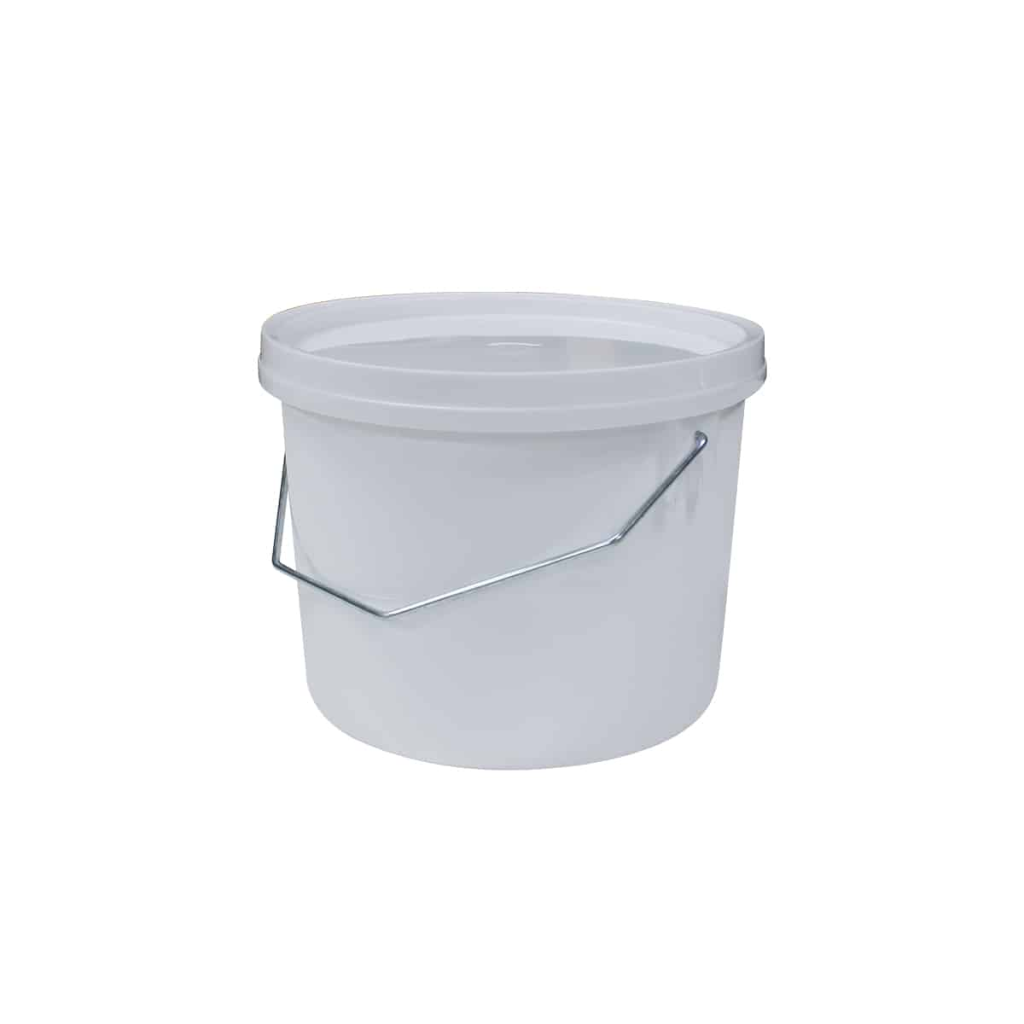
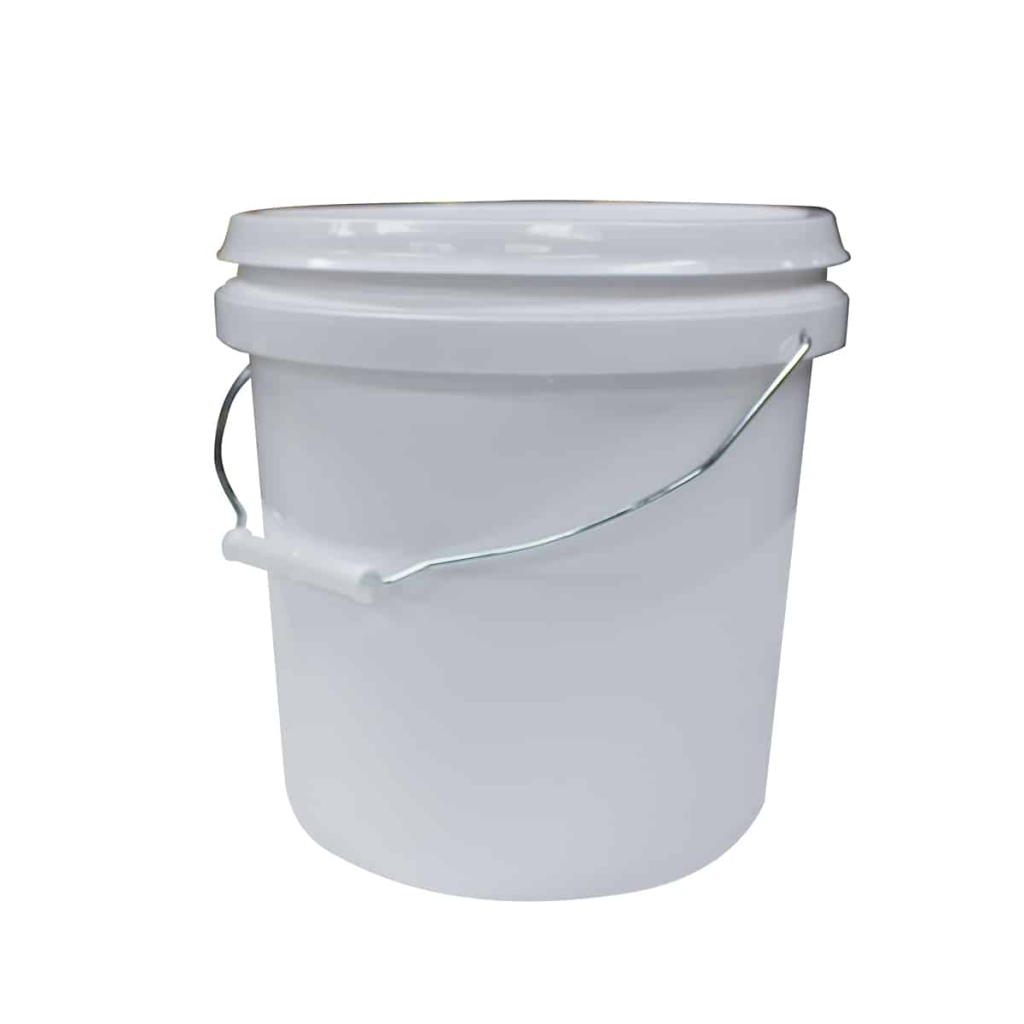
Make the Right Choice When Buying Round Plastic Tubs for Your Specifications

Selecting the right round plastic tub is essential for a wide range of applications, from domestic storage to gardening and industrial use. A well-chosen tub ensures durability, space efficiency, and suitability for specific needs. The material and construction quality determine its strength and resistance to wear, while size and design influence how effectively it performs its purpose. Making an informed decision not only enhances convenience but also promotes efficiency in daily tasks, whether used for organising items, storing food, or containing plants.

Understanding Round Plastic Tubs


A round plastic tub is a highly versatile container made from durable materials designed to withstand regular use. Its circular shape allows for efficient space utilisation, making it ideal for both personal and commercial environments. The rounded edges provide structural integrity, reducing the risk of cracking or deformation under pressure. Many tubs are equipped with lids that seal tightly to keep contents secure and protected from dust, moisture, and pests. This feature makes them suitable for a wide range of uses, from storing kitchen ingredients to keeping workshop tools neatly organised.

In domestic settings, round plastic tubs are a staple for maintaining tidiness and organisation. They are often used in kitchens to store dry goods, leftovers, or bulk ingredients, providing a hygienic and convenient way to manage food storage. In bathrooms, they can hold toiletries or cleaning products, while in garages, they help organise hardware, car supplies, or gardening tools. Their lightweight nature makes them easy to transport, even when filled, and their stackable design ensures they can be neatly stored when not in use.

Beyond household use, these tubs are also valuable in commercial and industrial settings. Restaurants and catering services use them for food preparation and storage, ensuring ingredients remain fresh and uncontaminated. In agricultural and gardening contexts, they serve as planting containers, soil carriers, or water basins for pets and livestock. Their adaptability extends further into construction and manufacturing, where they are used for mixing materials such as paint, cement, or chemicals. Available in a variety of sizes, from small hand-held containers to large heavy-duty tubs, they cater to numerous applications efficiently.

Determining Your Needs


Before selecting a round plastic tub, it is important to clearly define its intended use. Understanding specific needs allows individuals and businesses to choose the right material, size, and capacity. For light household storage, thinner plastic options may suffice, while heavier applications such as construction or agriculture demand thicker, more durable models. Considering the quantity needed and the available budget also helps balance practicality with cost-effectiveness.

It is equally important to assess where and how the tubs will be used. For instance, airtight tubs are ideal for storing perishable items, while open tubs may suit gardening or industrial mixing purposes. Transparent designs make it easier to identify contents at a glance, which is useful for kitchens and workshops. Meanwhile, tubs with ergonomic handles enhance portability, particularly when frequent movement is required. Evaluating these details ensures that the chosen containers serve their purpose efficiently without compromising functionality or convenience.

Conducting a brief comparison among available products can also improve decision-making. By identifying essential features and matching them with intended applications, consumers can make better, more sustainable investments. This process helps avoid overspending on unnecessary features or selecting tubs that do not meet performance expectations. Ultimately, careful consideration of practical needs ensures long-lasting use and greater satisfaction.

Considering Environmental Impact


While round plastic tubs are convenient and durable, their environmental implications are significant. Most traditional plastics take hundreds of years to decompose, contributing heavily to landfill waste and marine pollution. Wildlife often suffers when exposed to discarded plastics through ingestion or entanglement, and the production process itself releases large amounts of greenhouse gases. As environmental awareness grows, consumers are encouraged to choose products that minimise harm to the planet.

Opting for eco-friendly alternatives is an effective step towards sustainability. Tubs made from recycled or biodegradable plastics reduce the need for new raw materials, conserving resources and lowering overall waste output. Some manufacturers have begun producing containers from renewable sources such as plant-based polymers, which offer similar strength and utility but break down more easily after disposal. Reusing tubs instead of discarding them also extends their lifespan and decreases demand for additional production.

Simple everyday actions contribute to environmental protection. Sorting plastics for recycling, supporting brands that use sustainable materials, and avoiding single-use containers can collectively lead to substantial ecological benefits. By adopting these practices, consumers help reduce carbon emissions, conserve energy, and promote a cleaner environment for future generations.

Conclusion


Round plastic tubs are practical, versatile, and widely used across domestic, commercial, and industrial settings. Their range of sizes, materials, and designs makes them indispensable for organisation, storage, and maintenance tasks. However, choosing the right tub involves more than selecting a convenient shape or size; it requires careful evaluation of purpose, durability, and environmental responsibility.

By aligning product choices with specific needs and considering sustainable alternatives, individuals and organisations can make decisions that are both functional and eco-conscious. Investing in quality, reusable tubs not only ensures long-term efficiency but also supports a broader commitment to reducing waste and protecting the environment. Through thoughtful selection and responsible use, round plastic tubs can remain valuable tools that contribute to convenience and sustainability alike.…

High-Quality Polished Concrete Floors in Melbourne – Durable, Stylish & Affordable

Understanding Polished Concrete Floors

Polished concrete floors are a modern flooring solution created by grinding and refining the surface of concrete until it achieves a smooth, glossy finish. This process not only enhances the visual appeal of a space but also strengthens the floor’s durability, making it suitable for both residential and commercial applications. The polished finish reduces the likelihood of scratches and stains, while offering easy maintenance and cleaning. With options for different textures, colors, and finishes, polished concrete floors Melbourne provide versatility that accommodates a wide range of design preferences, from minimalist modern interiors to more traditional, elegant styles.

Popularity of Polished Concrete in Melbourne

In Melbourne, polished concrete floors have become increasingly popular due to their combination of style, practicality, and cost-effectiveness. Homeowners appreciate the sleek, contemporary appearance that complements modern interior designs, while businesses value the durability and minimal upkeep that these floors provide. The flooring solution has found its way into a variety of spaces, including homes, offices, restaurants, retail outlets, and even industrial environments. Its rise in popularity is driven by both aesthetic appeal and functional performance, offering a balance that few other flooring options can match.

The Attributes of High-Quality Polished Concrete Floors

High-quality polished concrete is more than just a glossy surface. It reflects precision in design, engineering, and installation. Key attributes include durability, resistance to wear and tear, ease of maintenance, and environmental sustainability. A high-quality floor also demonstrates a consistent finish with minimal imperfections, ensuring that it looks elegant while performing reliably under heavy traffic and daily use. The result is a flooring solution that not only enhances the visual character of a space but also provides long-term value for property owners.

The Process of Creating Polished Concrete Floors

Creating polished concrete begins with a thorough assessment and preparation of the site. This stage involves evaluating the area to identify potential challenges, environmental conditions, and structural considerations. Proper preparation ensures a smooth installation process and optimizes the longevity and performance of the flooring.

Once the site is ready, the concrete surface undergoes multiple stages of polishing. Initial grinding levels the floor, removing imperfections and establishing a solid base. Progressively finer diamond tools are then used to refine the surface, followed by honing to achieve the desired smoothness. The final step involves applying a sealer that enhances the floor’s durability, provides a polished sheen, and offers protection against stains, spills, and daily wear.

The time required for installation varies depending on factors such as floor size, site complexity, environmental conditions, and the desired finish. Careful planning ensures that installation proceeds efficiently, minimizing disruptions and maintaining compliance with safety standards. A well-executed installation results in a seamless floor that is ready to serve both functional and aesthetic purposes for years to come.

Popular Areas of Use in Melbourne

Polished concrete floors are extremely versatile and suitable for many types of spaces in Melbourne. In residential homes, they are ideal for living rooms, kitchens, and hallways where durability and style are paramount. Their low-maintenance nature makes them a favorite among busy homeowners who value both beauty and practicality. In commercial settings, polished concrete offers resilience under heavy foot traffic, making it suitable for offices, retail spaces, restaurants, and hospitality environments. Industrial facilities also benefit from polished concrete floors due to their strength and long-lasting performance, providing a reliable solution for high-traffic areas.

The Environmental Benefits of Polished Concrete Floors

Polished concrete is not only practical but also environmentally friendly. The production and installation processes contribute to sustainability by using fewer raw materials and reducing waste. Eco-conscious sealers and coatings help lower environmental impact, while the long lifespan of polished concrete reduces the need for frequent replacements. Over time, these floors contribute to a greener future by minimizing resource consumption and energy usage, supporting environmentally responsible building practices.

Long-term environmental benefits include improved indoor air quality, reduced chemical usage for maintenance, and lower energy costs due to the floor’s reflective surface, enhancing natural lighting. This sustainable approach aligns with the growing demand for eco-friendly building solutions and helps Melbourne homeowners and businesses reduce their ecological footprint while maintaining stylish, functional spaces.

Choosing the Best Polished Concrete Floor Services in Melbourne

Selecting the right service provider is essential for achieving high-quality, polished concrete floors. Homeowners and businesses should consider factors such as reputation, experience, pricing, customer support, and references. Service providers that offer a high level of customization can tailor flooring solutions to meet specific design and functional requirements, ensuring that each project achieves optimal results.

Warranty and after-service support are also critical considerations. Reliable warranty protection against defects, while ongoing support ensures that any maintenance or repair needs can be addressed promptly. Choosing a reputable provider with comprehensive support guarantees peace of mind and enhances satisfaction with the investment.

Maintenance and Longevity of Polished Concrete Floors

Maintaining polished concrete floors is relatively straightforward compared to traditional flooring materials. Routine sweeping and occasional damp mopping are generally sufficient to keep the surface clean and polished. Unlike wood or tile, there is no need for waxing, staining, or refinishing, which reduces both effort and cost over time.

The durability of polished concrete ensures that it can withstand daily wear, high traffic, and heavy furniture without compromising performance or aesthetics. This combination of resilience and low maintenance makes polished concrete an excellent long-term investment for Melbourne properties, providing both practical and visual benefits for years to come.

Polished Concrete Flooring: A Versatile Choice

The flexibility of polished concrete allows it to adapt to a variety of interior styles. Homeowners can choose from different textures, finishes, and colors to complement their decor, while commercial spaces can achieve a modern, professional look that is also highly functional. From subtle neutral tones to vibrant patterns, polished concrete can be customized to match virtually any design vision, making it a versatile and attractive flooring solution.

Conclusion

High-quality polished concrete floors offer a combination of durability, style, affordability, and environmental friendliness that few other flooring solutions can match. Their growing popularity in Melbourne reflects their ability to meet the demands of modern living, providing low-maintenance, resilient, and aesthetically pleasing surfaces. Whether for residential, commercial, or industrial spaces, polished concrete delivers a long-lasting investment that enhances both function and appearance. By choosing this innovative flooring solution, property owners can enjoy elegant, sustainable, and high-performing floors that stand the test of time.…

The Power of Professional Hair Styling Tools: Straighteners, Dryers, and Blowdry Brushes for Effortless Styling

Hair Straighteners in Everyday Styling

Hair styling tools have become an essential part of daily grooming for many people. Whether it’s to achieve a sleek straight look, voluminous curls, or a smooth blowout, the right styling tools can make a big difference. Modern styling devices are designed not only to make hair look great but also to minimise damage and improve overall hair health.

Among the most popular tools used at home and in salons are hair straighteners, professional dryers, and blow-dry brushes. Each of these serves a unique purpose and can help create salon-quality results from the comfort of your own home. Understanding how these tools work, what features to look for, and how to care for them properly can help you achieve your ideal style with less effort and time.

One of the most trusted brands in hair styling is the GHD straightener, known for its superior heat technology and smooth, long-lasting results. The material of the plates also plays a major role. Ceramic plates distribute heat evenly and are suitable for everyday use. Titanium plates, on the other hand, heat up quickly and are preferred for professional results, especially on coarse or hard-to-manage hair. Tourmaline-infused plates are known for reducing frizz and giving a smoother finish.

Another helpful feature in modern straighteners is rapid heat-up time. No one likes to wait several minutes before they can start styling, especially during busy mornings. Many high-quality straighteners now reach the desired temperature in less than a minute, allowing users to style quickly without delay.

The Importance of Professional Hair Dryers

A reliable hair dryer is another essential tool in achieving healthy, styled hair. A good dryer not only dries hair faster but also helps maintain its shine and smoothness. Unlike older models that relied solely on hot air, modern dryers are designed with advanced airflow systems and adjustable settings for temperature and speed.

One of the biggest advantages of using a professional-grade dryer is efficiency. They often feature stronger motors that produce steady airflow, helping hair dry quickly while minimising exposure to excessive heat. This helps reduce the risk of frizz, breakage, and dryness.

Ionic technology is another innovation found in many modern dryers. It works by releasing negative ions that break down water molecules more efficiently and close the hair cuticle, which reduces frizz and gives a shinier finish. For individuals who struggle with static or dryness, an ionic dryer can make a significant difference.

A cool shot button is another useful feature. After styling, using a blast of cool air helps lock the style in place and add shine. It’s a small step, but it helps maintain a polished look throughout the day.

Weight and noise levels also matter more than people think. Lightweight dryers reduce hand fatigue, especially for those with longer or thicker hair. Quieter operation is also appreciated by anyone who prefers a more comfortable and relaxed styling experience.

Blowdry Brushes: The Perfect Blend of Drying and Styling

Blow-dry brushes have gained popularity because they combine the functions of a hair dryer and a round brush into one convenient tool. This hybrid device simplifies the styling process, especially for those who want smooth, bouncy hair without juggling multiple tools.

The design usually features a rotating barrel with built-in air vents. Hot air flows through the brush while bristles help detangle and shape the hair at the same time. This allows users to achieve volume at the roots, smoothness along the lengths, and curl or bend at the ends—all in one motion.

One of the main benefits of a blow-dry brush is its ease of use. It’s ideal for beginners or anyone who struggles with using a separate brush and dryer at once. The ergonomic design also reduces wrist strain, making it more comfortable for everyday use.

Some brushes come with multiple heat and speed settings, which allow for customised styling based on hair type and desired results. Ceramic and ionic technologies are often incorporated to enhance smoothness and minimise frizz.

When using a blow-dry brush, sectioning your hair and working from roots to ends in steady motions helps achieve a salon-like finish. With regular use, it can shorten your styling routine significantly while still delivering consistent results.

Caring for Your Styling Tools

To keep your hair tools in good condition and ensure they last longer, proper maintenance is key. For straighteners, always allow the device to cool down before storing. Wipe the plates with a soft, damp cloth to remove any product buildup, like oils or sprays. Avoid using harsh chemicals that may damage the coating of the plates.

For hair dryers, cleaning the air filter regularly helps maintain airflow and prevent overheating. Most dryers have a removable filter at the back, which can easily be cleaned with a small brush or cloth. Dust and lint can accumulate over time, which can affect performance if not maintained.

Blow-dry brushes also need regular cleaning. Remove hair strands from the bristles after each use, and occasionally wipe the barrel with a slightly damp cloth to prevent product residue. Keeping your tools clean ensures consistent heat distribution and prevents unpleasant odours caused by product buildup.

Conclusion

Straighteners, dryers, and blow-dry brushes have changed how people care for and style their hair. These tools make it easier to achieve smooth, shiny, and professional-looking results at home. While the market is filled with different models and features, understanding the basics—such as heat control, material type, and ease of use—can help you choose the right one.

With proper use and care, these tools can make daily styling faster and more enjoyable while keeping your hair healthy and beautiful. Whether you prefer a sleek look, soft waves, or a voluminous blowout, having the right styling tools can truly make a difference in how confident you feel every day.…

Buy Premium Quality Plantation Shutters Online | Enhance Your Home Decor Today!

Plantation shutters have become a timeless feature in modern home design, merging elegance with practical functionality. Their clean lines, versatile finishes, and ability to control natural light make them a favourite choice for homeowners who value both aesthetics and comfort. Beyond their visual charm, plantation shutters provide excellent privacy and energy efficiency, transforming ordinary windows into stylish architectural highlights.

The Convenience of Buying Plantation Shutters Online

Shopping for plantation shutters online offers unparalleled convenience and flexibility. Homeowners can browse a wide range of plantation shutters online, compare prices instantly, and make purchases without leaving home. Online platforms often feature detailed product descriptions, virtual previews, and customisation options, helping buyers find shutters that perfectly fit their space. Many online retailers also offer exclusive discounts, faster delivery, and access to premium designs that are not always available in physical stores.

Why Plantation Shutters Are Essential in Home Design

Unique Features and Functional Benefits

Plantation shutters are designed with wide, adjustable slats that allow precise control over light and airflow. Their durable materials, such as timber, PVC, or composite, ensure longevity and resilience against heat, moisture, and wear. Besides providing privacy and insulation, these shutters enhance energy efficiency by regulating indoor temperature, reducing reliance on air conditioning or heating systems.

Adapting to Every Interior Style

One of the greatest advantages of plantation shutters is their versatility. Whether your home features a rustic, coastal, or contemporary aesthetic, these shutters can be customised to complement the space. Their neutral finishes and sleek profiles harmonise effortlessly with various colour palettes and design themes, offering a refined look that enhances both traditional and modern interiors.

The Transformative Impact on Living Spaces

Plantation shutters have a remarkable ability to transform rooms. By balancing light and shadow, they create a cosy and welcoming ambience. Their structure adds depth and texture to windows, elevating the overall atmosphere of any space. With the right combination of colour and design, plantation shutters can make a room feel brighter, larger, and more inviting.

Reasons to Choose Premium Quality Plantation Shutters

The Importance of Quality in Shutter Selection

Choosing premium plantation shutters ensures lasting durability, smooth functionality, and superior light control. High-quality materials resist warping, fading, and cracking, making them ideal for long-term use. Premium shutters also feature precision engineering and refined finishes, offering both visual appeal and performance.

Long-Term Value and Performance

Investing in premium shutters pays off through enhanced insulation, reduced energy costs, and increased property value. Their ability to withstand environmental factors, such as humidity and UV exposure, ensures longevity and low maintenance. Custom-made options also allow homeowners to tailor each detail from slat width to frame style, creating a cohesive and luxurious interior.

Premium vs. Regular Plantation Shutters

While standard shutters may offer short-term savings, premium plantation shutters deliver long-term benefits. They provide sturdier frames, smoother mechanisms, and better finishes that resist wear and discolouration. The enhanced craftsmanship not only improves functionality but also adds sophistication, ensuring your windows remain an elegant focal point for years to come.

Benefits of Buying Plantation Shutters Online

Convenience and Time Savings

Purchasing plantation shutters online eliminates the need for multiple store visits. With just a few clicks, homeowners can explore collections, compare designs, and check customer reviews. This streamlined shopping experience saves time and effort while ensuring informed decisions.

Wider Range of Styles and Customisation Options

Online platforms often feature a broader variety of styles, materials, and finishes compared to local showrooms. Buyers can choose from traditional wood shutters, moisture-resistant PVC models, or modern composite designs. Many online stores also offer visualisation tools, allowing customers to preview how their chosen shutters will look in their homes.

Potential for Cost Savings

Online purchases often come with competitive pricing, promotional offers, and bundled discounts. Because online sellers have lower overhead costs, they can pass those savings to consumers. Additionally, free shipping or installation deals can make online shopping even more economical.

Easy Customisation and Prefabrication

Another major advantage of online shopping is the ability to design custom-made plantation shutters. Buyers can select dimensions, materials, and colours that match their preferences, ensuring a perfect fit for every window. Prefabrication options simplify installation, making the process faster and more efficient.

Key Considerations When Buying Plantation Shutters Online

Material, Size, Colour, and Style

When shopping online, carefully consider the material that suits your climate and lifestyle. Wooden shutters bring warmth and character, while PVC or composite versions are ideal for moisture-prone areas. Ensure accurate window measurements, choose colours that match your décor, and pick a style that complements your home’s theme.

Reading Product Descriptions and Reviews

Before purchasing, review detailed product descriptions and customer feedback. Genuine reviews reveal insights into quality, performance, and ease of installation, helping you make confident decisions. Reading specifications ensures you understand what you’re buying and how it will perform over time.

Measuring Your Windows Correctly

Accurate window measurements are essential to achieving a flawless fit. Before placing an order, measure the window width and height precisely. Even a small error can affect installation, alignment, and appearance, so take your time to ensure precision.

Checking Warranty and Return Policy

Always verify the warranty and return policy before buying plantation shutters online. A reliable warranty reflects the manufacturer’s confidence in their product’s quality. Knowing return terms helps protect your investment if any issue arises.

Step-by-Step Guide to Buying Plantation Shutters Online

How to Make a Purchase

Start by exploring trusted websites offering plantation shutters. Once you’ve chosen your preferred design, add it to your cart, enter accurate shipping details, and confirm your payment. Review your order carefully before completing the transaction.

Verifying the Reliability of the Seller

Check for verified reviews, secure payment gateways, and transparent contact details. A well-designed website with clear product information and responsive customer service is a good indicator of reliability.

Customising Your Plantation Shutters

Customisation options allow homeowners to choose dimensions, slat widths, and finishes that best match their space. Many online platforms offer digital previews, allowing you to visualise your final design before placing an order.

Conclusion

Plantation shutters are more than just window coverings; they are a stylish, functional investment that enhances the comfort, efficiency, and beauty of your home. With the convenience of online shopping, you can easily compare options, customise designs, and enjoy premium quality at competitive prices. By considering factors such as materials, measurements, and warranty, you can ensure a smooth and satisfying purchasing experience. Choosing the right plantation shutters online adds timeless elegance and long-term value to any modern home.…

Strategic Guide to Effective Rental Property Advertising

Effectively advertising rental properties plays a vital role in attracting the right tenants and reducing vacancy periods. A carefully planned strategy not only increases visibility across various platforms but also highlights the property’s most attractive features. Clear descriptions paired with high-quality images create strong first impressions, which in turn improve occupancy rates and support better rental returns.

Identifying the Ideal Tenant

Understanding the type of tenant a property is best suited for allows landlords to narrow their focus and streamline their marketing. Factors such as income level, employment type, household size, and lifestyle requirements help create a clear profile of the ideal renter. With this information, landlords can target advertising more precisely, leading to a smoother selection process and better compatibility between the property and its occupants. For landlords wondering where can I advertise my rental property? Choosing platforms that reach the right audience is key to attracting suitable tenants quickly and efficiently.

Tailoring listings to appeal to these preferred demographics increases the likelihood of attracting suitable applicants. When advertisements resonate with the expectations and preferences of a specific tenant group, engagement improves, and the chances of securing a long-term, reliable tenant rise significantly.

Key Techniques for Advertising Rental Properties

Professional Photography

Quality images are one of the most influential elements in any rental listing. Well-composed photos showcase a property’s best features, create visual interest, and convey a sense of space and style. Effective photography helps listings stand out and encourages more prospective tenants to enquire or book viewings.

Compelling Descriptions

Property descriptions should be concise, informative, and engaging. Highlighting unique features such as modern appliances, outdoor space, or proximity to amenities helps create a strong mental image of the property. Language that appeals to emotions while remaining honest enhances the property’s desirability.

Online Rental Platforms

Utilising established property portals allows landlords to reach a broad audience. These platforms often provide useful tools such as automated pricing guidance, application tracking, and communication management. Listings on well-known platforms increase credibility and convenience for potential tenants.

Signage and Print Media

Strategically placed signage can capture local interest, particularly in high-footfall areas. Additionally, print advertisements in local newspapers or community bulletins still hold value, especially in smaller markets or for older demographics who prefer offline communication channels.

Promoting Properties Through Social Media

Social media is a powerful and cost-effective way to market rental properties. By tailoring content to suit the style and audience of each platform, landlords can reach a diverse range of potential tenants.

Visual Content and Interaction

Photos, video walkthroughs, and virtual tours are particularly effective on platforms like Instagram and Facebook. These tools offer prospective tenants a better sense of the space before arranging a viewing. Engaging features like polls or Q&A sessions encourage interaction and help establish trust and credibility.

Consistent Posting and Hashtag Use

Maintaining an active online presence and using relevant hashtags helps keep listings visible to new audiences. Timely responses to queries also build rapport and can speed up the leasing process.

Maximising Online Listing Effectiveness

Choosing the right online platforms and presenting properties effectively on them is critical. Listings should feature the property’s strongest attributes, supported by clear photography and descriptive language. Keeping details updated, adjusting pricing based on demand, and monitoring performance metrics all contribute to a more successful outcome.

Regularly reviewing and refining listings based on viewer behaviour and enquiry rates helps improve visibility and engagement. This ensures that marketing efforts remain aligned with current trends and tenant expectations.

Offline Methods That Still Work

Community Boards and Networking Events


Posting notices on community bulletin boards or attending local property events can create connections and generate leads. These methods are particularly useful in areas where residents rely on word-of-mouth recommendations or community-based information sharing.

Ensuring Legal and Ethical Standards

All rental advertising must comply with local and national legal requirements, including fair housing regulations. Landlords should avoid exaggerations or misleading claims and ensure that all descriptions are accurate and inclusive. Ethical advertising not only upholds the law but also builds trust and reduces the risk of disputes.

Measuring and Refining Marketing Performance

Regular evaluation of marketing efforts is essential. Tracking engagement rates, click-throughs, enquiries, and conversions helps identify what works best. Analysing this data allows landlords to fine-tune their strategies, invest more effectively, and improve results over time.

Campaigns should evolve in response to market changes and performance feedback. This flexibility enables landlords to maintain competitiveness and maximise their return on investment.

FAQs

How important are professional photos in rental property listings?


Professional photos are extremely valuable, as they create a strong visual impact and highlight a property’s best features. Quality images can significantly increase the number of enquiries, particularly when viewed alongside similar properties on a listing platform. They also help to reduce wasted viewings by giving a clear representation of the space.

Which social media platform is best for promoting rental properties?


Each platform has its strengths. Facebook offers broad reach and useful marketplace features, while Instagram is ideal for showcasing visuals and engaging with a younger audience. LinkedIn may also be useful for promoting high-end or executive rentals to professionals. The best approach often involves a combination of platforms tailored to the target tenant profile.

What are the legal considerations when advertising rental properties?


It’s essential to adhere to fair housing laws, which prohibit discrimination based on race, gender, disability, and other protected characteristics. Advertising must be truthful, avoid exaggerated claims, and include any required disclosures. Landlords should familiarise themselves with both national and local regulations to avoid penalties and ensure ethical marketing.

Interior and Exterior Painting Services – Experienced, Precise, and Dependable

Painting is more than a decorative feature. Applied correctly, paint becomes a protective layer against weather, wear, and structural degradation. Whether for interior ambience or exterior durability, Sydney painting services help ensure that indoors, paint defines the mood and function of a space – calm, vibrant, warm, or professional – while outdoors, it shields building materials from sunlight, moisture, and temperature shifts, maintaining the property’s outward appearance.

While some may view painting as a straightforward task, the outcome depends heavily on surface preparation, correct application techniques, and the use of appropriate materials. These aspects directly affect how long the paint lasts and how well it performs under various conditions.

The Difference Professional Painters Make

Understanding the Materials and Conditions

Paints vary widely in composition, purpose, and durability. A surface exposed to rain or sun requires a different type of paint than an indoor ceiling or an office wall. Trained painters understand these differences and use that knowledge to choose the right approach. Paint adhesion, drying time, surface texture, and environmental exposure are all factored into the decision-making process.

By choosing a qualified team, clients benefit from experience that minimises mistakes and enhances both durability and appearance. Professionals also consider how lighting, existing décor, and architectural elements influence the final look, adapting their technique and product selection accordingly.

Surface Preparation: A Critical Step

A lasting finish starts with a properly prepared surface. This often involves more than simply cleaning the area. Surfaces may need to be sanded, repaired, or treated to remove imperfections. Flaking paint, cracks, gaps, and stains can interfere with the bond between the paint and the substrate. Skipping these steps leads to premature peeling, uneven colour, or visible flaws beneath the final coat.

Professionals treat preparation as a necessary foundation for long-term results. Their approach combines technical steps, such as applying undercoats, smoothing irregularities, and sealing porous surfaces, with practical measures like masking, covering adjacent areas, and staging the work to limit interference with daily life.

Coordination and Execution

Professional painters maintain a structured workflow. Time is managed effectively from planning to cleanup. Rather than rushing through jobs, they take the time to assess progress after each phase. Drying periods are observed, and adjustments are made where required before the next coat is applied.

This level of coordination benefits residential clients who want to minimise disruption, as well as commercial clients working within fixed operating hours. With clear timelines, dependable arrival schedules, and transparent communication, the project advances steadily with fewer surprises.

Types of Projects Handled

Homes and Apartments

For residential properties, painting services include internal rooms, ceilings, feature walls, trims, stairwells, and exterior walls. This often extends to fences, gates, carports, garages, and outdoor living structures. Each space is assessed based on its function and condition, whether it’s a family living room requiring a warm, washable finish or a sun-exposed weatherboard exterior.

Residential clients may be seeking to refresh ageing paintwork, change the feel of their space, or prepare a property for sale. Whatever the goal, a painter’s role is to help bring that vision into form with well-applied products and cohesive colour planning.

Offices, Shops, and Other Commercial Premises

Commercial painting comes with its own challenges. These spaces often have high foot traffic, varied wall materials, and branding requirements that must be respected. Paint must hold up under heavier wear and tear while remaining professional in appearance. In retail or hospitality environments, colour choices often align with customer experience goals, creating inviting or stimulating atmospheres.

Painters experienced in commercial work often operate in stages, with work zones carefully planned to avoid interfering with daily operations. Some businesses may require evening or weekend work to avoid closing during business hours. Larger premises may require scaffolding, protective barriers, and compliance with workplace safety procedures.

Industrial and Special Projects

Beyond homes and offices, painting services extend to factories, warehouses, schools, community buildings, and multi-unit housing developments. These projects often demand high-durability coatings, compliance with specific standards, or a combination of decorative and protective treatments. Some involve concrete sealing, anti-slip surface coatings, or corrosion-resistant paint for metal structures.

Special finishes such as textured renders, fire-retardant coatings, or low-VOC paints may also be part of the scope. In these cases, painters work closely with builders, architects, or engineers to deliver work that aligns with functional goals as well as visual expectations.

Planning for a Smooth Experience

Professional painting is rarely improvised. Before a brush touches a surface, experienced teams have already reviewed the area, identified potential concerns, selected the appropriate tools, and discussed plans with the client. This preparation reduces delays and helps avoid miscommunication.

During the project, furniture and fixtures are protected, floors are covered, and adjacent surfaces are shielded from overspray or spills. Once work is complete, the area is cleaned and returned to its original condition, with only the new finish left behind.

For outdoor projects, weather and environmental conditions are monitored closely. Rain, strong winds, or extreme temperatures can compromise paint adhesion. Professionals plan around these variables to protect the outcome and avoid the need for rework.

Working with Experienced Tradespeople

A painting company with a record of well-executed projects brings reassurance to property owners. It reflects not only technical skill but also professionalism in client relations, scheduling, safety, and quality control.

Hiring an experienced team reduces the likelihood of patchy finishes, delays, unexpected costs, or early wear. Instead, clients receive clear updates, workmanship that holds up over time, and results that match the brief, whether that brief is subtle, bold, classic, or modern.

Whether preparing a home for resale, modernising a workspace, or maintaining the exterior of a long-standing property, working with qualified painters gives clients confidence that the investment will pay off in both appearance and durability.…

Revolutionising Spaces with Innovative Polished Concrete in Melbourne

In Melbourne, where design meets utility and urban sophistication dances with natural beauty, one trend is sweeping through residential and commercial spaces: polished concrete. Once relegated to industrial settings, this versatile material has found its place as a refined, durable, and sustainable flooring option that’s capturing the hearts of architects, interior designers, and property owners. But it’s not just about any polished concrete—it’s about innovative polished concrete in Melbourne that pushes the boundaries of what’s possible.

Melbourne’s approach to polished concrete has radically transformed into a design-driven solution that blends aesthetics with functionality. From luxurious living spaces to cutting-edge commercial establishments, innovative, polished concrete redefines what a floor can do. But what exactly makes polished concrete so special in the hands of Melbourne’s leading specialists, and why is it becoming the material of choice for those seeking a blend of beauty, durability, and sustainability?

Polished Concrete: More Than Just a Floor

To many, polished concrete is simply the smooth surface beneath their feet, but those who understand its potential know it is much more than that. Polished concrete is a multi-step process beyond the simple grind and seal approach. It’s about creating a surface that reflects light, enhances the aesthetic value of the space, and stands up to the wear and tear of daily life.

Specialists use advanced techniques to achieve an extraordinary finish with custom textures, colours, and effects that transform the look of a space. By grinding the concrete surface and polishing it to a high sheen, they create a floor that’s visually striking and incredibly durable. The result? A floor that can handle heavy foot traffic resists stains and offers a sleek, modern appearance that appeals to the most discerning tastes.

Polished concrete has moved away from the utilitarian, industrial look and entered the realm of luxury design. It is now common to see it used in high-end residential spaces, art galleries, offices, and showrooms. Each project reflects the unique character and functionality of the space it inhabits. The malleability of polished concrete makes it ideal for contemporary and classic settings, allowing property owners to create a seamless, cohesive look that lasts for years.

Aesthetic Excellence: Turning Concrete Into Art

While polished concrete is undeniably functional, its aesthetic potential is where innovation truly shines. Melbourne’s concrete specialists have taken the material to new heights, pushing the boundaries of design possibilities. Gone are the days of plain, grey floors; today, polished concrete can be transformed into a canvas for creative expression. Using coloured dyes, stains, and aggregates, concrete floors can be customised to reflect various designs. Whether it’s a deep, rich colour that complements a minimalist interior or includes reflective glass and metal chips that create an eye-catching, luxurious finish, polished concrete can be tailored to suit any vision. For those who appreciate the beauty of natural elements, exposed aggregates—such as stones, pebbles, and marble—can be incorporated to give a floor texture, depth, and dimension. This innovative approach to polished concrete ensures that every project is one-of-a-kind.

Polished concrete’s high-gloss finish makes spaces appear brighter and more expansive, making it an ideal solution for small or dimly lit areas. The smooth, reflective surface amplifies natural light and creates an open, airy feel. In a sleek, modern apartment or a spacious commercial venue, polished concrete brings an elevated, contemporary vibe that fits any design theme.

Durability: Strength Meets Sustainability

While beauty is essential, durability sets polished concrete apart from other flooring options. Melbourne’s innovative, polished concrete specialists understand that a floor must withstand the passage of time and meet the challenges of daily use. These specialists use advanced techniques to enhance the material’s strength, creating a floor resistant to abrasions, stains, and damage.

Concrete’s inherent strength makes it an ideal choice for high-traffic environments. It can bear the weight of heavy machinery, furniture, and constant foot traffic without losing its integrity. Even in Melbourne’s dynamic climate, which can be unpredictable and extreme, polished concrete holds up remarkably well. It resists moisture, temperature fluctuations, and humidity damage, making it suitable for a wide range of environments, from underground basements to rooftop terraces.

Sustainability is another key factor driving Melbourne’s demand for innovative, polished concrete. Concrete, by nature, is a sustainable option as it is made from locally sourced materials and has a long lifespan. Unlike other flooring options that may require frequent replacement, polished concrete can last for decades with minimal maintenance. The polishing process doesn’t rely on harmful chemicals or coatings, making it an environmentally friendly choice for those looking to reduce their carbon footprint.


Low Maintenance, High Performance

One of the most appealing aspects of polished concrete is its low maintenance requirements. After the initial installation, concrete floors need very little care to maintain their pristine appearance. Sweeping and mopping with a mild cleaner is usually enough to keep the floor looking new. The sealed surface also makes it resistant to staining from spills like coffee, wine, or food, ensuring the floor stays clean.

This low-maintenance benefit is particularly valued in commercial settings, where floors are subject to heavy use, dirt, and grime. Property managers and business owners appreciate that polished concrete requires fewer resources to maintain, saving them time and money over the long term. It’s an investment that pays off, especially considering the added durability and timeless appeal of a high-quality polished concrete floor.

Melbourne’s Concrete Revolution: A Custom Solution for Every Space

Every space is unique, and Melbourne’s polished concrete specialists take pride in offering tailored solutions that meet the specific needs of their clients. Whether you’re looking to enhance the natural beauty of your home with a sleek concrete floor or create a functional yet stylish design for your business or retail space, Melbourne’s experts will work with you to bring your vision to life.

The possibilities are truly endless. From minimalist, high-shine floors that evoke modern luxury to more textured, matte finishes that exude rustic charm, polished concrete can be customised to fit any aesthetic. These specialists understand the importance of a personalised approach, listening carefully to each client’s preferences and requirements before beginning the design and installation process—the combination of innovation, craftsmanship, and environmental consciousness sets Melbourne apart from other cities. The city’s leading polished concrete specialists have mastered the art of combining these elements to create flooring solutions that are not only stunning but also sustainable and long-lasting.

Conclusion: Your Vision, Perfected with Polished Concrete

Polished concrete in Melbourne is more than just a flooring trend; it’s a design, functionality, and sustainability revolution. From its dazzling aesthetic appeal to its unmatched durability, polished concrete is the ultimate solution for residential and commercial spaces. The finest concrete specialists continue to redefine what is possible with this versatile material, offering customised, high-performance floors that stand the test of time.

If you want to transform your space with a floor that offers beauty and substance, there’s no better choice than innovative, well-polished concrete. It’s a lasting investment in style, quality, and sustainability—a material that meets and exceeds modern design’s expectations. Embrace the future of flooring today and discover the endless possibilities that polished concrete brings to your space.

 …

An Overview of Business Property Insurance: Protection, Importance, and Key Considerations

A guide to Business Property Insurance! Unlock its importance & understand why every business needs it. Protect your assets today!

Business Property Insurance protects commercial properties from risks like fire, theft, and natural disasters. It covers physical assets such as buildings, equipment, furniture, and inventory, helping businesses maintain financial stability in the event of loss or damage. Tailored policies address specific operational risks, contributing to business continuity.

Understanding Business Property Insurance

A business property insurance is designed to protect a company’s physical assets from risks such as theft, fire, and natural disasters. Coverage typically includes buildings, equipment, inventory, and furnishings. The insurance helps businesses recover by covering the costs of repairs or replacements due to unexpected events. It may also include coverage for lost income caused by business interruptions.

Business Property Insurance generally covers a range of physical assets, including buildings, equipment, and inventory. Policies may include endorsements for additional risks such as business interruption or equipment breakdown. Insurers assess property value and risk factors to determine coverage limits and premiums. Liability protection for property damage or injuries on-site may also be included.

The Importance of Business Property Insurance

Business Property Insurance protects a company’s assets against risks like fire, theft, or natural disasters. Covering repairs or replacements ensures business continuity and reduces financial loss. Additionally, it reassures clients and investors that the business is prepared for unforeseen events, which supports stability and growth.

A business’s financial stability depends on sound management, market conditions, and resource allocation. Effective financial planning helps companies withstand economic fluctuations and optimise asset use. Ethical practices and innovation further attract customer and investor confidence, promoting competitive advantage.

For example, a restaurant suffering from fire damage would find recovery easier with insurance. Similarly, a retail store facing theft or vandalism would benefit from coverage. Insured businesses can restore operations more quickly after natural disasters, protecting assets and revenue. These examples show how Business Property Insurance supports long-term stability.

Why Every Business Needs Business Property Insurance

Businesses face many risks, including natural disasters, financial uncertainties, and cyber threats. These risks can disrupt operations and threaten financial stability. Insurance helps address these challenges by providing financial protection against potential liabilities. It transfers certain risks to the insurer, enhancing business resilience and enabling businesses to operate more confidently.

Business Property Insurance protects physical assets such as buildings, equipment, and inventory from risks like theft, fire, and natural disasters. Coverage for repairs or replacements ensures quick recovery from unexpected events. This insurance also builds credibility, reassuring clients and investors of the business’s preparedness.

Key Considerations When Choosing a Business Property Insurance Plan

When selecting insurance, businesses must evaluate several factors. First, determine the coverage needed to protect against relevant risks. Compare premiums from different providers, considering deductibles and copays. Insurer reputation and claims support are essential, ensuring reliable assistance during the claims process. Reviewing policy limits and exclusions helps identify any coverage gaps that could affect financial security.

Different businesses require different insurance plans based on their operational risks. For instance, a retail store might need liability coverage for customer injuries, while a tech startup could need cyber liability insurance. Construction firms may require workers’ compensation and equipment coverage, while service-based businesses might focus on professional indemnity insurance. Understanding specific needs is essential for selecting appropriate coverage.

When choosing Business Property Insurance, businesses should consider the value of their assets and potential risks. They should research providers and compare coverage options, particularly those for property damage and theft. Working with an insurance broker can provide tailored guidance. Finally, reviewing customer feedback ensures the insurer provides reliable claims support.

Regularly reviewing and updating an insurance plan is necessary to maintain adequate coverage. Life changes, regulatory updates, or market shifts may affect coverage needs. Periodic reassessments help prevent coverage gaps and ensure the business remains adequately protected.

FAQs

Why is business property insurance important?

Business Property Insurance protects a company’s physical assets from risks such as theft, fire, or natural disasters. It enables businesses to recover quickly from unexpected incidents, reducing financial strain and ensuring stability. Coverage for buildings, equipment, and inventory helps business owners focus on growth without worrying about significant losses.

What is the purpose of property insurance?

Property insurance protects against financial loss from damage or theft of physical assets. Coverage typically includes risks like fire, natural disasters, vandalism, and burglary. Property insurance helps cover the cost of repairs or replacements, allowing policyholders to recover quickly after an incident.

Is business insurance the same as property insurance?

Business and property insurance are different, although they overlap in some areas. Business insurance is a broad term that includes various coverages, such as liability, workers’ compensation, and business interruption. Property insurance covers physical assets like buildings and equipment against damage from fire or theft.

What’s the purpose of business insurance?

Business insurance protects enterprises from risks that could result in financial losses. It covers physical assets, including property and equipment, and offers liability protection for accidents or legal claims. Business insurance supports continuity by providing resources during disruptions, helping business owners focus on operations without worrying about setbacks.

 …

Guidelines on Selecting the Best Payroll Software Suitable for Your Business Needs

Untangle your payroll process! We provide key guidelines for choosing the best payroll software for your business needs.


The payroll process is vital for businesses, ensuring employees are paid accurately and on time. This promotes job satisfaction, boosts morale, and increases productivity. Proper payroll management also ensures compliance with tax regulations, avoiding costly penalties. An efficient payroll system supports a company’s financial health while building employee trust and loyalty.


Payroll software automates and streamlines the payroll process, ensuring timely and accurate payments. By using the best payroll software, organisations can simplify tax calculations, deductions, and reporting while maintaining compliance with regulations. The software offers user-friendly interfaces for employees and HR professionals, making payslips and transaction history easily accessible. It reduces administrative burden and increases operational efficiency.


Payroll software automates employee compensation, calculating wages, tax withholdings, bonuses, and deductions while ensuring compliance with labour laws. It simplifies payroll execution, generates paychecks or direct deposits, and maintains records for reporting. It improves the efficiency and accuracy of managing employee payments.


Identifying Business Needs


Assessing a business’s size and structure is essential for effective planning. This involves analysing workforce size, market presence, and operational scope. Understanding these factors helps identify strengths and weaknesses, influencing growth opportunities and resource allocation decisions. By evaluating the business profile, strategies can better align with market demands.


Tailoring payroll software to a business’s specific needs ensures efficiency and accuracy. Customised solutions streamline processes, accommodate different employee structures, and simplify regulatory compliance. By addressing specific needs, businesses can improve productivity, reduce errors, and enhance staff satisfaction while managing compensation and benefits effectively.


Defining a company’s payroll responsibilities is key to efficient management. This includes tasks such as calculating wages, tax deductions, and benefits and ensuring compliance with local regulations and internal policies. A tailored approach ensures accurate processing, seamlessly meeting organisational demands and improving overall operations.


Considering User-Friendliness


User-friendly software is crucial for productivity and accessibility. Intuitive interfaces reduce the learning curve, allowing users to navigate the software efficiently with minimal training. This ease of use enhances engagement and reduces frustration, enabling all team members to contribute effectively, regardless of their skill level.


A simple and clear design improves the user experience. Intuitive interfaces make it easier for users to navigate applications, reducing the learning curve and allowing seamless interaction with the system. A well-designed interface fosters satisfaction and efficiency, encouraging users to explore all available features.


Trying software demonstrations and trial versions are essential for understanding its effectiveness. These trials allow businesses to assess features first-hand and determine compatibility with their needs. This hands-on experience helps ensure the software meets expectations before purchase, leading to better decision-making.


Evaluating Software Provider Reputation


Choosing a reliable software provider is essential to ensure consistent service and reliability. A reputable provider delivers quality results and builds strong relationships through transparency and accountability. Trustworthiness reduces risks and promotes long-term partnerships, protecting investments and ensuring desired outcomes.


When evaluating a software provider, it’s important to consider their reputation, experience, and reliability in the industry. Customer reviews can provide insights into the provider’s service quality. Scalability should be considered to ensure the software can grow with the business. Also, check if the provider offers sufficient support and training. Pricing models should be assessed for cost-effectiveness while aligning with the company’s needs.


The Importance of Scalability


Scalability is important when selecting payroll software to ensure it grows with the business. A good solution should accommodate increasing employee numbers, diverse payment structures, and more complex reporting requirements. Platforms that offer flexibility and integrate with other systems make it easier to adapt as the business evolves, maintaining efficiency and accuracy in payroll processing.


Conclusion


When selecting payroll software, it is essential to consider usability, integration capabilities, and compliance with regulations. Evaluate customer support options and pricing structures to ensure the solution is cost-effective. Look for customisation features that cater to business needs and prioritise security measures to protect sensitive employee data. Finally, the software’s scalability will be assessed to ensure it will adapt as the business changes.


Businesses should assess their specific needs before choosing a solution. Selecting the right tools and partners can significantly impact efficiency and outcomes. By considering goals, resources, and challenges, companies can make informed decisions that align with their objectives. Strategic planning ensures investments deliver maximum benefits tailored to individual business requirements.


FAQs


How should the best payroll software be selected?


Choosing the right payroll software involves assessing business size and needs and considering features like automation, compliance support, ease of use, and integration capabilities. Customer reviews offer insights into reliability and service quality. Pricing models should be compared to ensure the solution provides value and functionality.


How can a payroll system be set up for a small business?


To set up a payroll system, gather employee information and define payment structures. Select payroll software that fits the business’s needs and establish a schedule for processing payments. Ensure compliance with tax regulations and regularly update records to maintain accuracy and meet labour laws.


How is a new payroll provider chosen?


Choosing a new payroll provider involves assessing business needs and comparing different options. Cost, features, compliance, customer support, and user-friendliness should be considered. Reading reviews and seeking recommendations can offer valuable insights. It’s important to ensure the provider can integrate seamlessly with existing systems to enhance payroll accuracy and efficiency.


Next Page »